
Hotel Booking Assistance
1:1 Doctor Consultation
Airport Transfer Assistance
Hotel Booking Assistance
1:1 Doctor Consultation
Airport Transfer Assistance
Orthodontics: What Is It? Popular Types of Braces Today
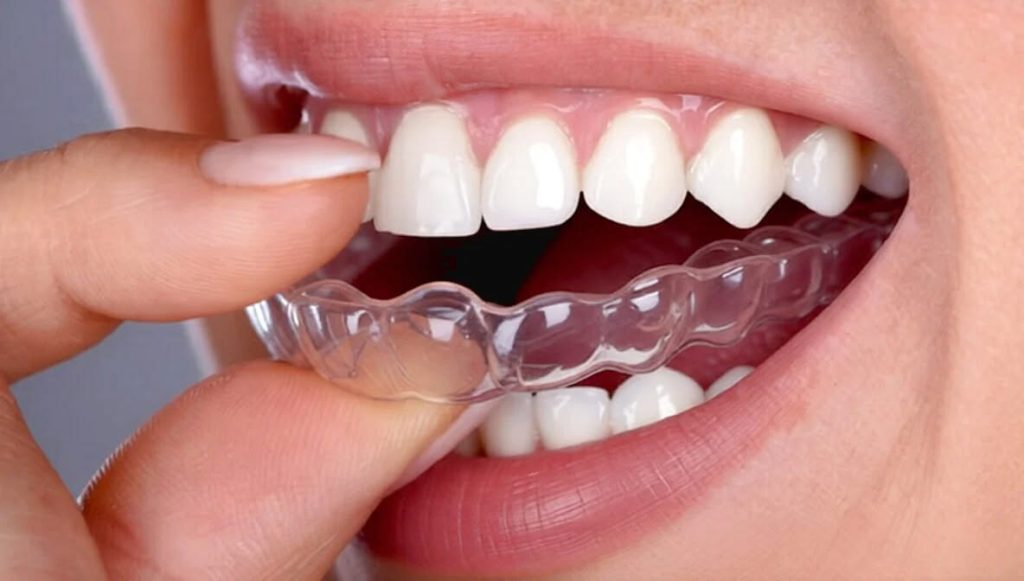
Orthodontic treatment is a specialized branch of dentistry that uses appliances such as brackets, archwires, or clear aligners to gradually move teeth into their proper positions within the dental arch.
The goal of orthodontic treatment is not only to straighten teeth and improve the appearance of the smile, but also to establish a healthy bite, support proper jaw function, and optimize chewing efficiency.
At Zimer Dental, each orthodontic treatment plan is personalized based on digital diagnostic data and the patient’s individual dental condition, with a focus on safe, predictable treatment and preservation of healthy natural teeth.
Who May Benefit from Orthodontic Treatment?
The upper teeth or jaw extend excessively forward in relation to the lower teeth, which may affect facial balance and lip closure.
The lower teeth or jaw extend beyond the upper teeth, resulting in an improper bite that may affect chewing function and jaw health.
Insufficient space in the dental arch can cause teeth to overlap, rotate, or become misaligned. Crowding can also make effective brushing and flossing more difficult.
Excessive spaces between teeth can affect smile aesthetics and may contribute to food trapping in certain areas.
Orthodontic treatment can also address conditions such as open bite, deep bite, and crossbite, helping improve tooth alignment and overall bite function.
The upper and lower teeth do not properly meet when the mouth is closed.
The upper front teeth excessively overlap the lower front teeth.
One or more teeth are positioned inside or outside the normal alignment of the opposing teeth.
Leading Orthodontic Treatment Options at Zimer Dental
Depending on the severity of the orthodontic problem, aesthetic preferences, lifestyle, and budget, the dentist will recommend the most appropriate treatment option.
Metal braces use high-quality dental brackets combined with archwires and orthodontic elastics to apply controlled forces and gradually move the teeth.
They are durable, reliable, and suitable for treating a wide range of orthodontic and bite problems.
Ceramic braces use tooth-colored or translucent brackets designed to blend more naturally with the teeth.
They offer a more discreet appearance while providing effective orthodontic treatment for many cases.
Lingual braces are attached to the inner surfaces of the teeth, making the orthodontic appliance virtually invisible from the outside.
They may be suitable for patients who prioritize aesthetics and require fixed orthodontic treatment.
Clear aligner treatment uses a series of custom-made, transparent aligners designed to gradually move the teeth according to a personalized treatment plan.
The aligners are removable, allowing patients to take them out while eating and brushing their teeth. They provide a discreet and convenient alternative to traditional braces for suitable cases.
When Is the Best Time to Start Orthodontic Treatment?
An early orthodontic assessment can help identify developing jaw and tooth alignment problems.
When necessary, early intervention may guide jaw development and create better conditions for the eruption of permanent teeth.
During adolescence, most permanent teeth have erupted and the jaws are still developing.
Orthodontic treatment can be highly effective during this stage, depending on the individual case.
Adults can also achieve successful orthodontic results when their teeth, gums, and supporting bone are healthy.
At Zimer Dental, adult orthodontic treatment is carefully planned to improve both bite function and smile aesthetics while taking the patient's individual dental condition into account.
Orthodontic Treatment Process at Zimer Dental


Step 3
Step 4
Step 5
Step 1
Examination & 3D CT/CBCT Scan
Step 2
Personalized Treatment Plan
Step 3
Step 4
Healing and Osseointegration
Step 5
Abutment and Final Dental Crown Placement
Step 1: Examination & 3D CT/CBCT Scan
Step 2: Personalized Treatment Plan
STEP 3: Implant Placement and Immediate Temporary Restoration
Step 4: Healing and Osseointegration
Step 5: Abutment and Final Dental Crown Placement
Frequently Asked Questions About Dental Crowns & Veneers
Not every orthodontic patient needs tooth extraction.
If there is sufficient space to align the teeth, or in cases involving spacing, the dentist may prioritize preserving the natural teeth.
Extractions may be considered in cases of significant crowding or severe protrusion when additional space is required to achieve a stable and functional result.
Treatment commonly takes approximately 18–24 months, although the actual duration varies depending on the patient's age, the complexity of the case, treatment method, and compliance with the dentist's instructions.
Good oral hygiene is especially important while wearing braces or aligners.
Patients with fixed braces should use:
- A soft-bristled toothbrush
- Interdental brushes
- Dental floss
- A water flosser
These tools can help remove food debris and plaque around brackets and between teeth, reducing the risk of tooth decay, gum inflammation, and staining during treatment.
Patients using clear aligners should also clean their teeth thoroughly before putting the aligners back in and follow the manufacturer's and dentist's cleaning instructions.