Hotel Booking Assistance
1:1 Doctor Consultation
Airport Transfer Assistance
Hotel Booking Assistance
1:1 Doctor Consultation
Airport Transfer Assistance
Dental Implants: What Are They? Benefits and Treatment Process
Dental implants (implant dentistry) are one of the most advanced and effective solutions for replacing missing teeth. The procedure involves placing a biocompatible titanium implant directly into the jawbone at the site of a missing tooth. The implant functions as an artificial tooth root, providing a stable foundation for the replacement tooth.
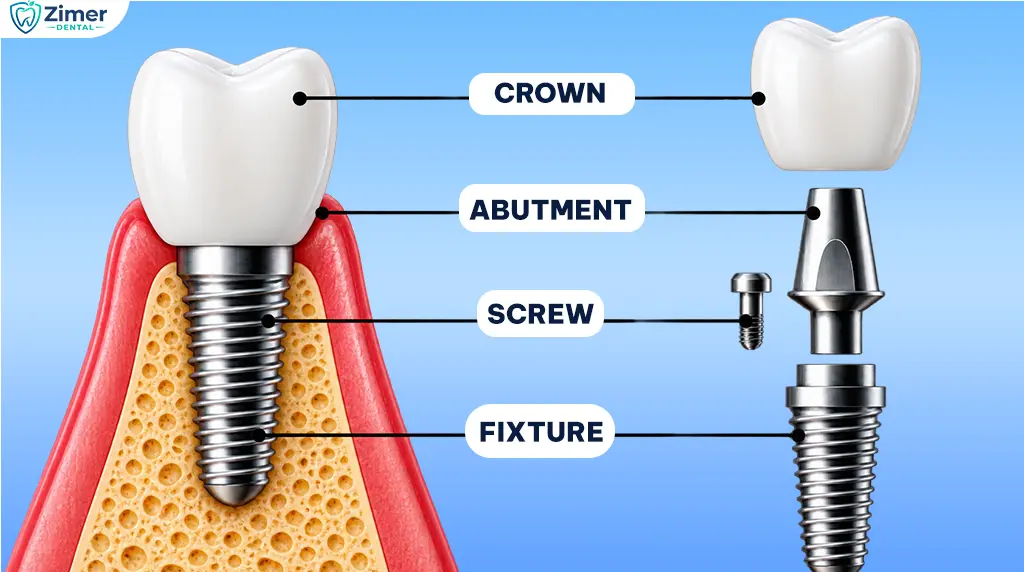
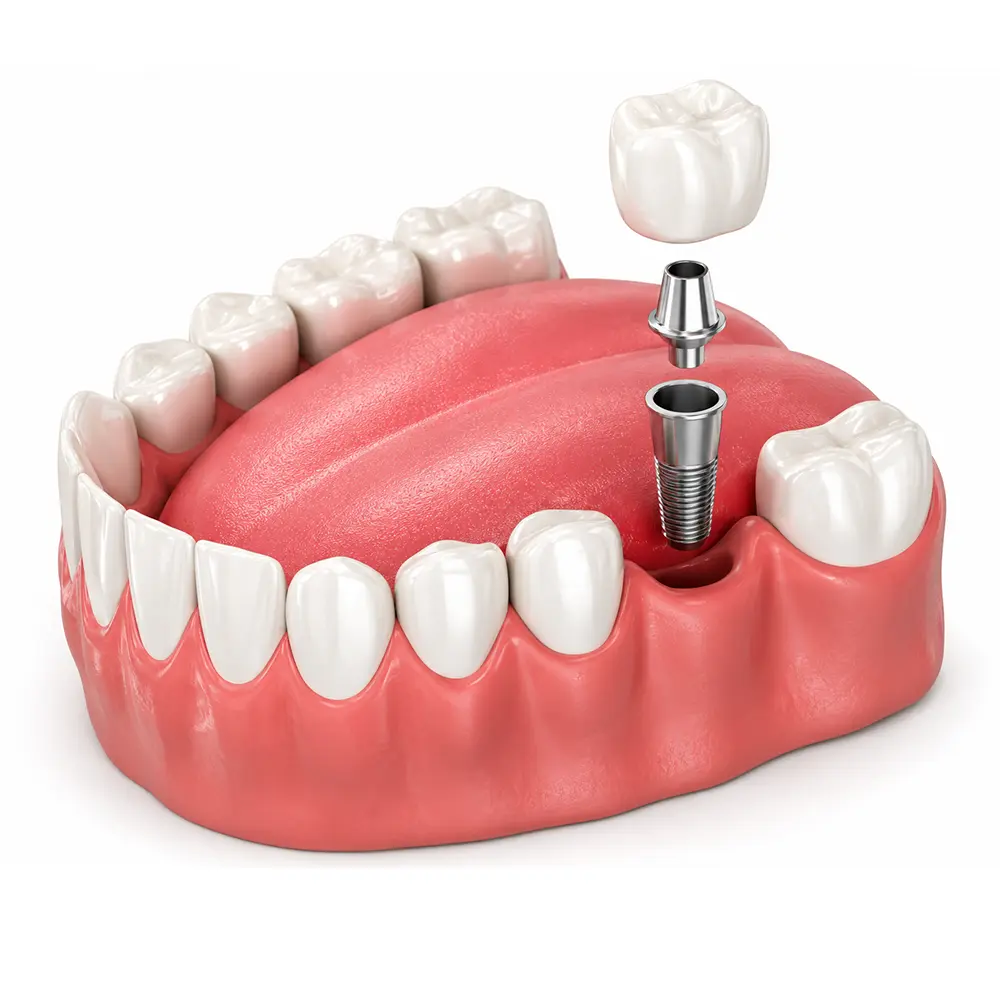
A Complete Dental Implant System Consists of 3 Main Components:
Dental Implant – The Artificial Tooth Root
The implant is made from high-purity titanium, a biocompatible material widely used in modern implant dentistry. Its specially treated surface promotes strong integration with the surrounding jawbone while minimizing the risk of tissue irritation.Abutment – The Connecting Component
The abutment is the intermediate component that securely connects the dental implant to the dental crown above it.Dental Crown
The crown is the visible part of the replacement tooth. It is custom-designed to match the natural shape, size, and color of the patient’s teeth, providing a natural appearance along with excellent chewing function.Who Is a Good Candidate for Dental Implants?
Depending on the patient’s oral health, the number of missing teeth, bone condition, and individual treatment goals, the dental team at Zimer Dental will conduct a comprehensive examination and recommend the most appropriate treatment plan.
Key Benefits of Dental Implants
Restore Chewing Function Similar to Natural Teeth
A titanium implant is surgically placed into the jawbone and functions as an artificial tooth root, providing a stable foundation for the replacement tooth. Dental implants offer strong chewing performance and a secure feel, without the looseness or discomfort that may occur with removable dentures.
Preserve Natural Teeth and Help Prevent Jawbone Loss
Unlike conventional dental bridges, which may require the adjacent healthy teeth to be reshaped, an implant-supported restoration can replace a missing tooth independently without relying on neighboring teeth for support.
Because the implant is integrated into the jawbone and transfers functional forces to the bone, it can help maintain bone stimulation and reduce the bone loss that commonly occurs after tooth loss.
Natural-Looking Aesthetics
The dental crown is custom-made to replicate the shape, shade, translucency, and overall appearance of natural teeth. When combined with accurate implant positioning and proper bite alignment, an implant restoration can provide a natural-looking and harmonious smile.
Support Oral Health and Reduce the Risk of Dental Problems
Replacing missing teeth can help prevent neighboring teeth from shifting, tilting, or over-erupting into the empty space. It may also help reduce food trapping and support better oral hygiene, thereby lowering the risk of gum inflammation and periodontal problems.
Excellent Durability for Long-Term Use
Titanium has excellent biocompatibility and can integrate firmly with the jawbone through a process known as osseointegration. With proper oral hygiene, regular dental check-ups, and appropriate maintenance, dental implants can provide reliable long-term function.
Many implants can remain functional for decades, although their longevity varies depending on individual oral health, lifestyle, and maintenance.
Types of Dental Implant Treatments
Single-Tooth Dental Implants
A single-tooth implant replaces an individual missing tooth at the specific site where the tooth has been lost.
During treatment, the dentist places an implant into the jawbone to replace the missing tooth root. Once the implant has successfully integrated with the surrounding bone, the abutment is attached, followed by the placement of a custom-made dental crown to complete the restoration.
Full-Arch Dental Implants
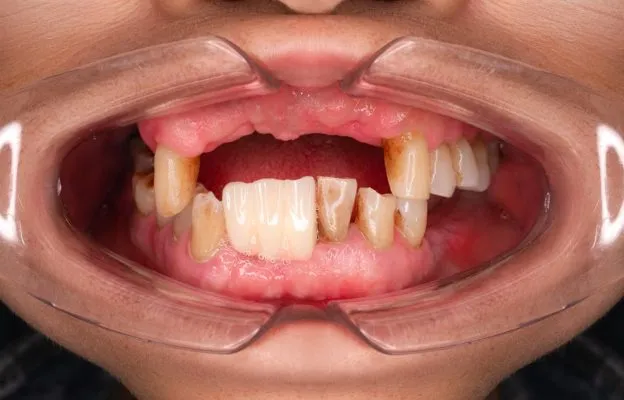
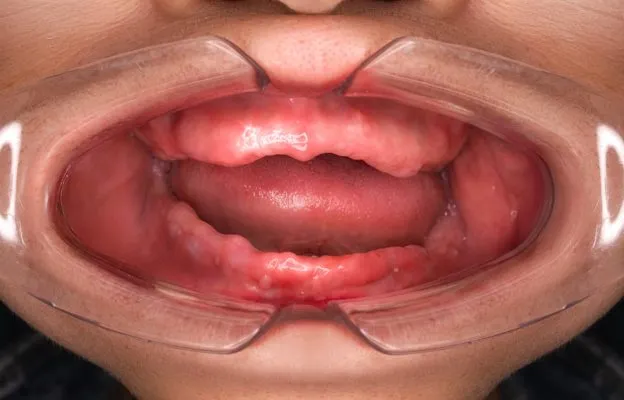
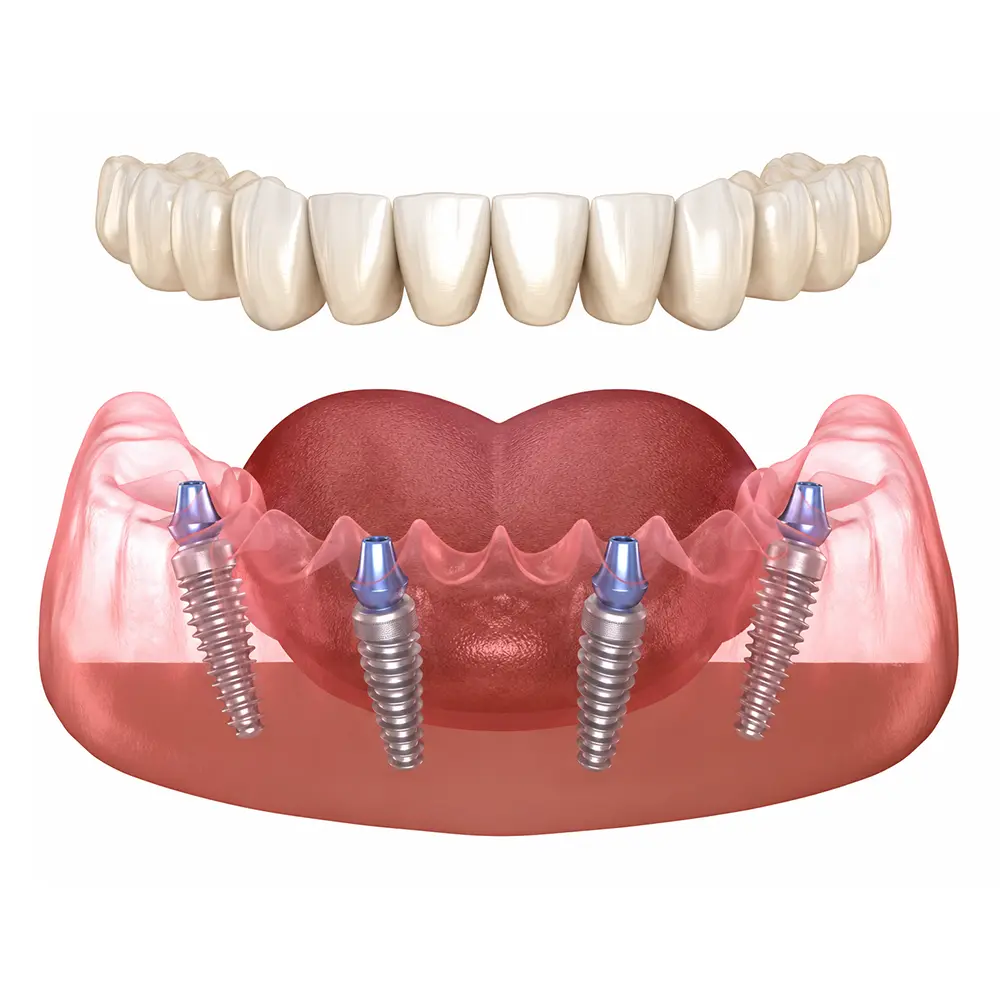
Full-arch implant treatment is suitable for patients who have lost most or all of their teeth, particularly in cases of extensive or long-standing tooth loss.
All-on-4® and All-on-6® are full-arch implant techniques in which four or six implants are strategically positioned in each jaw to support a fixed full-arch prosthesis. These treatments can restore both chewing function and the appearance of a complete set of teeth.
In cases where significant jawbone loss has occurred, the dentist may recommend additional procedures such as bone grafting or sinus augmentation to create an adequate foundation for stable implant placement.
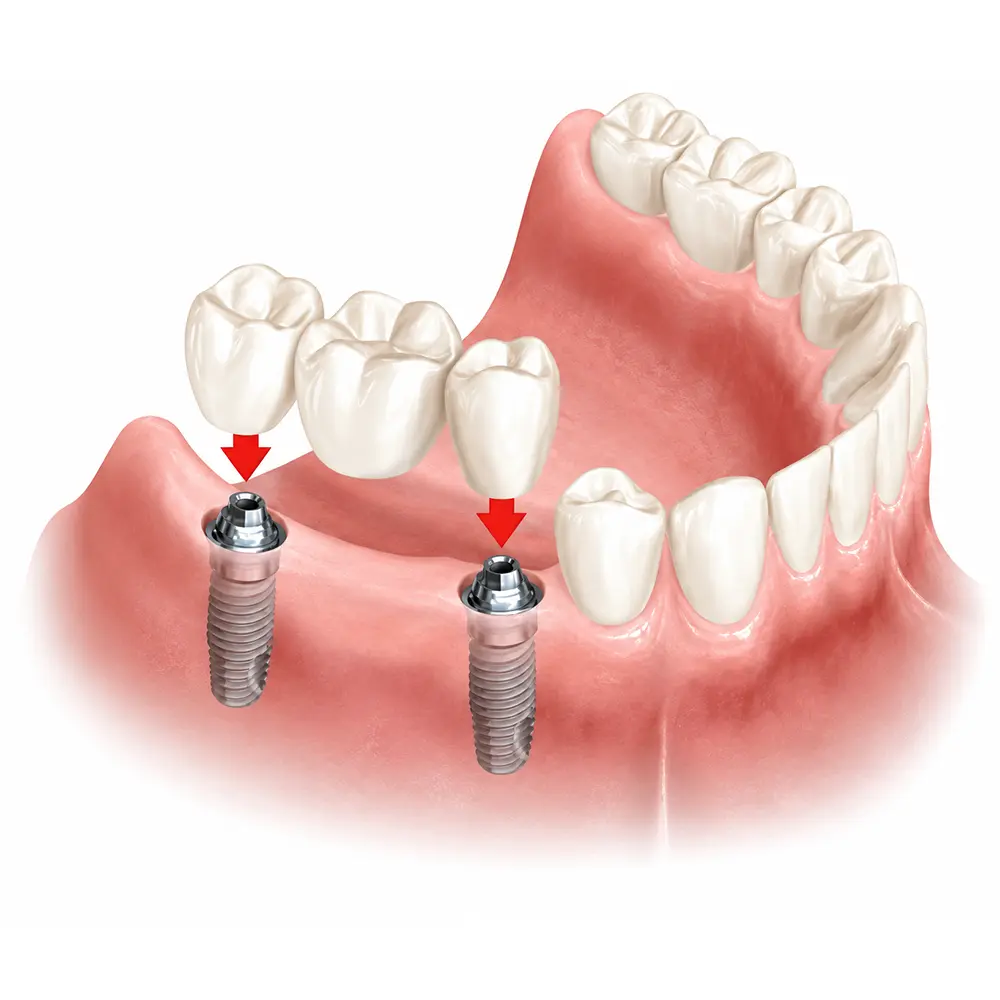
Implant-Supported Dental Bridges
An implant-supported bridge can be used to replace multiple consecutive missing teeth. Typically, two implants are strategically placed to support a bridge replacing several missing teeth.
However, the suitability of this approach depends on the number and location of missing teeth, bone volume, bite forces, and overall oral health. Implant placement should be carefully planned to provide appropriate support and help preserve the surrounding bone.

Early evaluation is recommended. For patients with missing teeth, early evaluation by an implant dentist can help assess bone levels and determine the most appropriate treatment timing. Delaying treatment may result in progressive jawbone resorption, which can make future implant placement more complex.
Types of Dental Implant Treatments
Genuine Zimmer Biomet Implant Systems
At Zimer Dental, we utilize genuine Zimmer Biomet implant systems from the USA, incorporating advanced technologies designed to support predictable, long-term implant treatment outcomes.
Dual acid-etched surface technology designed to accelerate osseointegration without increasing the risk of peri-implantitis.
Engineered thread design provides superior primary stability, including in compromised bone conditions.
Designed to help preserve crestal bone and surrounding gum tissue while supporting natural, long-lasting gingival aesthetics.
Detailed Dental Implant Treatment Process
Step 3
Step 4
Step 5
Step 1
Examination & 3D CT/CBCT Scan
Step 2
Personalized Treatment Plan
Step 3
Step 4
Healing and Osseointegration
Step 5
Abutment and Final Dental Crown Placement
Step 1: Examination & 3D CT/CBCT Scan
Step 2: Personalized Treatment Plan
STEP 3: Implant Placement and Immediate Temporary Restoration
Step 4: Healing and Osseointegration
Step 5: Abutment and Final Dental Crown Placement
Frequently Asked Questions About Dental Implants
Dental implant surgery is generally painless because it is performed under local anesthesia or modern sedation techniques. Once the anesthesia wears off, patients may experience mild soreness or discomfort during the first 1–2 days. This can usually be easily managed with pain medication prescribed by the dentist.
Implant placement typically takes around 15–30 minutes per implant site. After placement, the implant generally requires approximately 2–3 months to achieve stable integration with the jawbone before the final dental crown can be placed. During this healing period, a temporary restoration may be provided to maintain appearance and normal daily function.
Dental implants are made from biocompatible titanium and are designed for long-term function. With proper oral hygiene, regular dental check-ups, and appropriate maintenance, dental implants can last 20–30 years or even longer. In some cases, they may remain functional for a lifetime.
Yes. Patients with jawbone loss may still be suitable candidates for dental implants. At Zimer Dental, a 3D CT/CBCT scan is used to evaluate the available bone structure. When necessary, procedures such as bone grafting or sinus augmentation may be recommended to create a stable foundation before implant placement.
Older adults may be able to receive dental implants safely when their overall health is stable. For patients with conditions such as diabetes, high blood pressure, or cardiovascular disease, the dentists at Zimer Dental will conduct appropriate blood tests and clinical assessments to evaluate overall health and develop a safe, personalized treatment plan.